
RoofPros Maryland logo RoofPros Maryland
Get Estimate

Metal Roofing in Maryland Built for Four Real Seasons

Standing seam and panel systems installed by a licensed Maryland crew


Metal Roofing in Maryland is a 40-to-70-year roof system, not a cosmetic upgrade. We install standing seam and exposed-fastener panels on homes, barns, and commercial buildings from the mountains to the Eastern Shore. If your asphalt shingles are curling after 15 years, or hail just chewed through your ridge caps, we'll tell you straight whether metal is the right call for your house.

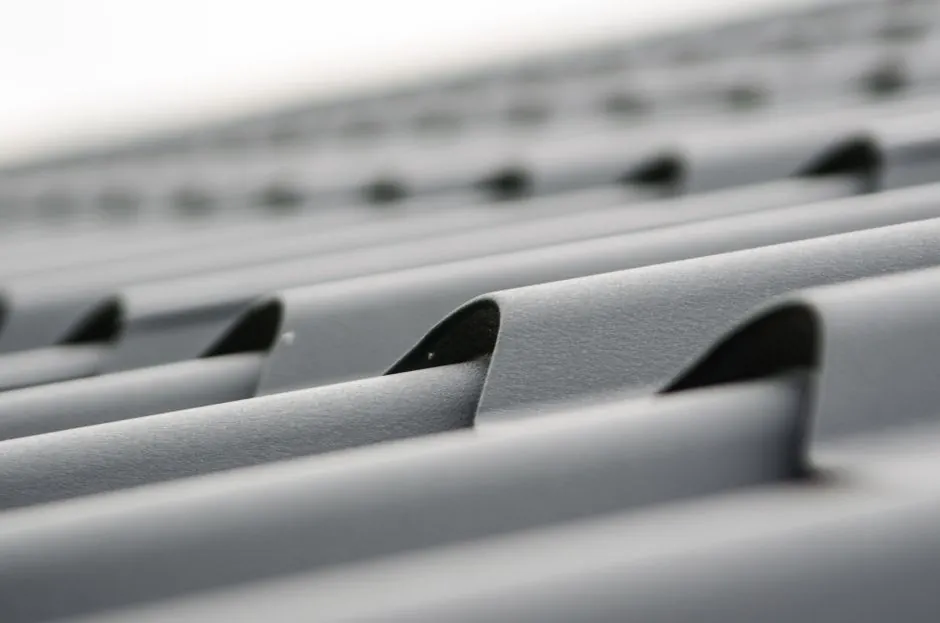
Detailed close-up of grey metal roof sheets showcasing texture and design.
Licensed Licensed & Bonded
Fully Insured Insured & Bonded
24/7 Emergency Same-Day Response
Warranty Backed Workmanship Guaranteed

What's Included in a Metal Roof Install

Every metal roof installation Maryland project we run includes the full tear-off, deck inspection, underlayment, ice and water shield, panels, trim, and cleanup. Add-ons like skylight replacement or gutter guards are quoted separately so you can see exactly what each item costs.

Full Tear-Off and Haul

We strip the old roofing down to the deck, remove every nail with a nail removal tool, and haul the debris off in a dumpster on site. No layering new metal over old shingles, which traps moisture and voids most panel warranties.
Deck Inspection and Repair

Every sheet of sheathing gets checked with a moisture meter. Soft or delaminated plywood gets replaced and re-nailed before underlayment goes down. We photograph anything we replace so you see what you paid for.

Ice and Water Shield

Maryland building code compliance requires ice and water shield along eaves, valleys, and around penetrations. We run it wider than the minimum on north-facing planes where ice dams form first.

Panels, Trim, and Flashing

Standing seam or exposed-fastener panels set on clips or fasteners, plus ridge caps, drip edge, pipe boots, and valley flashing. We seal every penetration with metal-rated roof sealant, not asphalt caulk that cracks.

Ventilation and Ridge Vent

A metal roof needs proper intake and exhaust or the deck sweats. We install a ridge vent matched to your panel profile and verify the intake at the soffits is clear before we close up.

Magnet Sweep and Final Walk

We run magnets over the lawn and driveway for stray fasteners, hose-test the valleys, and walk the roof with you. You leave with warranty paperwork and a one-page maintenance sheet.

What Metal Roofing in Maryland Actually Involves


Metal Roofing in Maryland means a concealed-fastener or exposed-fastener panel system locked to a deck with ice and water shield underneath, not a sheet of tin screwed over old shingles. We start with a moisture meter on the decking, replace any soft sheathing, lay synthetic roof underlayment, then set panels with a roofing nail gun or clip system depending on the profile. Standing seam panels float on clips so the metal expands and contracts through a 100-degree temperature swing without backing out a single fastener.

Maryland roofs take a specific beating: 90-degree July afternoons, February ice dams along the eaves, and hail that rolls off the Blue Ridge into Frederick and Washington counties. That freeze-thaw cycle is what kills asphalt shingles early. A metal roof installation Maryland homeowners choose for longevity handles that swing because the panels move independently of the deck. If you've priced metal roofing near me and gotten wildly different numbers, it's usually because one bid included tear-off and ice and water shield and the other didn't.

How a Metal Roof Installation Runs

Five steps, start to finish. Most residential tear-off and install takes three to six days depending on roof complexity and weather.

01

Schedule

Call or book online — a real human picks up and confirms a 2-hour arrival window.

02

Diagnose

Licensed tech inspects on-site, then walks you through the cause and your options.

03

Fix

The job is completed to code and done right the first time — no shortcuts, no surprises.

04

Guarantee

Every job backed by a written workmanship warranty — and we stand behind it.

Tools and Methods We Use

Tools & Equipment

Roofing Nail Gun

Drives underlayment and decking fasteners at consistent depth so nothing over-penetrates the sheathing or tears the ice and water shield.

Chalk Line and Tape Measure

Lays out panel courses square to the ridge. A metal roof that's out of square by half an inch shows at the far end of a 40-foot plane.

Pry Bar and Nail Removal Tool

Strips old shingles and pulls every nail from the deck. Left-behind nails tear underlayment and create pinhole leaks under the panels.

Roofing Saw and Shingle Cutter

Cuts panels and trim to length on the roof. We use a metal-cutting blade rated for the panel gauge to avoid burning the paint finish.

Caulking Gun

Applies polyurethane and silicone sealant at penetrations, laps, and flashing. We use metal-rated product, not asphalt caulk that dries and cracks.

Safety Harness and Ladder

OSHA-compliant fall protection on every pitch. Steep metal roofs are unforgiving, and harnesses are non-negotiable on our crews.

Moisture Meter

Checks decking for rot before we cover it. A reading above 20 percent means the sheathing gets replaced, not sealed over.

Methods & Standards

Concealed-Clip Standing Seam

Panels float on hidden clips so the metal expands and contracts through Maryland's temperature swing without backing out fasteners. This is the longest-lasting profile we install and the one we recommend for primary residences.

Ice and Water Shield at Eaves and Valleys

We run self-adhering membrane along the eaves, in valleys, and around every penetration before panels go down. Maryland building code compliance requires it, and it's the backup layer that stops leaks when a fastener fails.

Ridge Vent and Intake Balance

A metal roof traps heat against the deck if it can't breathe. We install a ridge vent matched to the panel profile and verify soffit intake is clear so the attic stays dry and cool.

Manufacturer-Spec Fastening

We follow GAF, Owens Corning, and CertainTeed installation specs for fastener type, spacing, and torque. Deviating from spec voids the finish warranty, which is a 30-to-40-year asset.

When Metal Roofing Makes Sense in Maryland

01

Your asphalt shingles are 15 to 20 years old and curling at the edges.

What we do: That's the natural end of life for asphalt in Maryland's freeze-thaw cycle. We tear off the old shingles, inspect the deck, and install a standing seam or exposed-fastener metal system with new underlayment and ice shield.

→ You get a roof that lasts 40 to 70 years instead of replacing asphalt two more times. The next owner inherits the warranty.

02

You own a barn, shop, or outbuilding with a failing roof.

What we do: Exposed-fastener metal panels are the workhorse choice for agricultural and commercial buildings. We install over purlins or solid deck, whichever the structure has, and spec a heavier gauge for snow load.

→ A durable, low-maintenance roof that handles snow sliding and doesn't need re-sealing every few years.

03

Hail or wind just damaged your existing metal roof.

What we do: We tarp and document the same day, write the scope your insurance carrier needs, and replace panels to match the existing profile and color once the claim is approved.

→ A repaired roof that looks uniform, with the claim paperwork handled so you're not chasing the adjuster yourself.

04

You're building new construction and want a forever roof.

What we do: We work with your builder to set the deck, underlayment, and panel system in the right sequence, so the metal goes on over a clean substrate instead of being retrofitted later.

→ A code-correct install from day one, with no compromise on flashing details that are hard to fix after the fact.

How Metal Roofing Runs in Maryland

Maryland roof work is a four-season job. October is when we push hard to get panels on before the first hard freeze, because sealant and flashing detail work needs temperatures above 40 degrees to cure properly. Winter installs still happen, but we watch the forecast and schedule the sealant steps for the warmest window of the week. Summer installs run early mornings on steep west-facing planes, where surface temps push past 140 degrees by noon. Building stock varies widely: 1800s farmhouses in Middletown and Sandy Spring have skip-sheathed decks that need a full re-deck before panels go on, while 1990s subdivisions in Owings and Woodstock usually have solid plywood ready for underlayment. Maryland building code compliance requires ice and water shield along eaves and valleys statewide, and we spec it wider on north-facing planes where ice dams form first. If you're pricing the cost of metal roofing in Maryland, the deck condition is the single biggest variable between two bids on similar-sized houses.

Neighborhoods We Serve

  • Bel Air

    Mix of older Harford County homes and newer builds. Older decks often need re-sheathing before panels go down.

  • Potomac

    Large, complex rooflines with dormers and multiple valleys. Panel layout and trim work drive the labor hours here.

  • La Plata

    Charles County hail corridor. We document storm damage carefully for insurance claims on metal roofs.

  • Frostburg

    Western Maryland snow load and freeze-thaw. We spec heavier gauge panels and wider ice shield coverage.

  • Stevenson

    Steep-pitch roofs in Baltimore County. Fall protection and panel staging take extra planning on these.

Local Conditions We Plan For

  • Freeze-thaw cycles from December through March

    Ice dams form at the eaves and back water under panels. We extend ice and water shield past the interior wall line and verify attic ventilation to reduce the cycle.

  • Summer hail across central and western Maryland

    Dents and bruised panels are common after June storms. We photograph and measure damage for insurance claims and replace panels to match.

  • Chesapeake humidity on the Eastern Shore

    High moisture speeds up corrosion at cut edges and fasteners. We use gasketed screws and touch up field cuts with matching paint.

  • Nor'easter wind exposure near the bay

    Wind-driven rain finds any weak flashing detail. We seal sidewall and valley flashing with metal-rated product and verify panel clip spacing.

Bel Air Tear-Off to Standing Seam

Before

A 1980s colonial with two layers of asphalt shingles, granule loss across the south plane, and three soft sheets of decking near the chimney. Homeowner was getting ceiling stains after every heavy rain.

After

Full tear-off, four sheets of decking replaced, new synthetic underlayment and ice shield, and a painted standing seam system installed in five days. Hose test on the valleys passed with no leaks.

Maintenance: Rinse the panels once a year, keep the gutters clear, and check the pipe boots each spring. No re-sealing needed for the first decade.

Before

A barn roof with 30-plus hail dents across the west plane, two panels lifted at the laps, and cracked sealant at every pipe boot. Owner had an open insurance claim but no documentation.

After

We photographed and measured every dent, wrote the scope, and replaced 14 panels to match the existing profile and color. All penetrations re-sealed with polyurethane. Adjuster approved the full scope.

Maintenance: Walk the roof after any hail event and photograph new dents. Keep the claim documentation on file for the next storm.

Before

A mountain home with ice backing up under the panels every February, water staining the attic sheathing, and short attic insulation along the north eave. Two prior patch attempts had failed.

After

We extended ice and water shield past the interior wall line, added a ridge vent matched to the panel profile, and corrected the soffit intake. Two winters later, no ice dam and no attic staining.

Maintenance: Keep the ridge vent clear of snow and check attic insulation depth each fall. Don't stack snow against the eave line.

Metal Roof Problems We Fix Across Maryland

Metal roofs fail differently than shingles. Fasteners back out, sealant dries and cracks, and panels dent under hail. Here's what we see most and how we handle it.

Problem

Backed-out fasteners on exposed-fastener panels

Loose fasteners let water past the washer, and the panel starts to lift in wind. Left alone, the leak rots the decking underneath and the panel can peel off in a nor'easter.

Our Fix

We pull the old fasteners, inspect the washer and panel hole, and reset with oversized gasketed screws rated for metal. If the panel holes are wallowed out, we replace the panel section and re-seal the lap.

Problem

Cracked or dried sealant at penetrations

Pipe boots, ridge caps, and sidewall flashing rely on sealant that dries out in three or four Maryland summers. Once it cracks, water tracks under the flashing and shows up as a ceiling stain.

Our Fix

We strip the old sealant with a pry bar and caulking gun, clean the metal, and re-seal with a polyurethane or silicone product rated for metal. We check every penetration on the roof, not just the one that's leaking.

Problem

Hail dents and bruised panels

Class 4 panels resist most hail, but a severe storm still dents them. Dented panels hold water in the low spots and can void an insurance claim if the damage isn't documented properly.

Our Fix

We photograph and measure every dent for your adjuster, then replace the damaged panels with matching profile and color. If the whole plane is compromised, we quote a full replacement and let your carrier decide.

Problem

Ice dams at the eaves

Snow melts on the warm upper roof, refreezes at the cold eave, and backs water under the panels. It's the number one cause of winter leaks in Maryland metal roofs.

Our Fix

We verify the ice and water shield extends past the interior wall line, check attic insulation and ventilation, and add a ridge vent if exhaust is short. Metal sheds snow, but the eave detail still has to be right.

Why Maryland Homeowners Switch to Metal

Why Maryland Homeowners Switch to Metal

Metal costs more up front than asphalt, and it earns that back. Here's what actually changes after the panels go on.

  • 40 to 70 Year Lifespan

    A painted standing seam roof in Maryland routinely runs 40 to 70 years. Asphalt shingles average 15 to 20 here because of the freeze-thaw cycle. You're replacing one roof instead of three, and the warranty transfers if you sell the house.

  • Cuts Summer Cooling Load

    A reflective painted metal panel bounces solar heat instead of absorbing it. Homeowners in full-sun exposures from Bel Air to Bowie report attic temps dropping enough to run the AC less in July and August. Pair it with a ridge vent and the deck stays drier.

  • Sheds Snow and Ice

    Smooth metal panels release snow before it can dam up at the eaves. That's the difference between a February ice dam and a clean slide. We still spec ice and water shield along the valleys and eaves because Maryland code requires it.

  • Hail and Wind Rated

    Class 4 impact panels shrug off the hail that dents gutters and bruises asphalt across central Maryland. Most standing seam profiles carry a 140-mph wind rating, which matters when a nor'easter walks up the Chesapeake.

What Metal Roofing Costs in Maryland

Typical 2026 pricing for a full metal roof installation in Maryland runs $12,000 to $28,000, or roughly $9 to $16 per square foot installed. Standing seam sits at the top of that range because of the clip system and trim work; exposed-fastener panels sit lower. Tear-off layers, roof pitch, deck condition, and the number of valleys and penetrations all move the number. We quote line by line so you can see what each item costs.

Typical Investment Range

$12,000 - $28,000 for a typical Maryland home; $9 - $16 per square foot installed

Metal costs two to three times more than asphalt up front, but you replace asphalt two or three times over the same period. Add the cooling savings and the transferable warranty, and the math favors metal on any house you plan to keep.

What changes the price

01

Panel Profile and Gauge

Standing seam with concealed clips costs more than exposed-fastener panels because of the clip system and the labor to lock the seams. Heavier 24-gauge panels cost more than 26-gauge but resist hail and oil-canning better.

02

Roof Pitch and Complexity

A steep pitch slows the crew and requires more fall protection. Dormers, valleys, and multiple roof planes add trim work and cut time. A simple gable goes fast; a Victorian with six planes does not.

03

Tear-Off Layers

One layer of shingles is standard. Two or three layers add disposal cost and labor. We quote tear-off per layer so you see exactly what the extra weight costs to remove.

04

Deck Condition

Soft or delaminated sheathing gets replaced at a per-sheet price. Older Maryland homes with skip sheathing need a full re-deck before panels go on, which is the biggest swing item between two bids.

05

Underlayment and Ice Shield

Synthetic underlayment over the full deck plus ice and water shield at eaves and valleys is standard. Wider ice shield coverage on north-facing planes adds material but prevents winter leaks.

06

Trim and Flashing Detail

Ridge caps, drip edge, pipe boots, and valley flashing add up on complex roofs. We itemize each piece so you can see where the money goes instead of a lump-sum number.

Licensed, Certified, and Reviewed

Licensed & Certified

  • Maryland Home Improvement Commission (MHIC) License — issued by Maryland Home Improvement Commission
  • OSHA Safety Certification — issued by Occupational Safety and Health Administration
  • GAF Master Elite — issued by GAF
  • Owens Corning Preferred Contractor — issued by Owens Corning
  • NRCA Membership — issued by National Roofing Contractors Association

Verified Reviews

Google ★★★★★4.9

Bid was line-itemed down to the panel gauge and underlayment brand. Crew showed up when they said, tore off two layers, replaced rotted decking, and had the standing seam on in five days. Cleaned the driveway with magnets twice.

Yelp ★★★★★4.8

Called after hail dented our barn roof. They tarped it the same afternoon and handled the insurance photos and scope. Panels matched the existing profile and color exactly. Adjuster approved everything.

BBB ★★★★★4.9

Went with metal over asphalt after 16 years of shingle replacements. Attic is cooler in July and the ice dams are gone. Walked us through the warranty paperwork before they left the property.

Google ★★★★★5.0

Steep roof in Stevenson and they planned the staging carefully. No damage to landscaping, no nails left in the grass. Panel lines are dead square from the street. Would hire again.

Local Experience on Maryland Roofs

Our crews have installed and repaired metal systems on everything from 1800s farmhouses in Middletown to modern builds in Clarksville. We hold a Maryland Home Improvement Commission (MHIC) license, carry OSHA safety certification for fall protection, and install GAF and Owens Corning systems as a certified contractor. We've worked post-storm jobs across Anne Arundel, Howard, and Frederick counties, and we know which panel profiles hold up to Chesapeake humidity versus mountain snow load.

  • MHIC-licensed contractor with OSHA fall-protection certification on every crew
  • GAF Master Elite and Owens Corning Preferred Contractor credentials
  • Hundreds of metal tear-offs completed across central and western Maryland
  • Experienced with standing seam, exposed-fastener, and shingle-style metal panels
  • Storm damage and hail claim documentation for Maryland insurance carriers
Get Started Today
Local Experience on Maryland Roofs

Metal Roofing Cities We Serve in Maryland

We run metal roof installation Maryland crews across the whole state, from the Eastern Shore to the mountains. Whether you're in a Harford County subdivision or a Frederick County farmhouse, the same crew quality and the same warranty apply. Here's a sample of where we work.

Bel Air

Harford County homes with a mix of older decks and newer builds. We re-sheath when needed and install standing seam or exposed-fastener panels.

Brandywine

Prince George's County properties where summer hail is common. We document storm damage for insurance claims and replace panels to match.

Capitol Heights

Tighter lots and older housing stock mean careful staging and fast tear-off. We keep the dumpster on site and sweep for nails daily.

Clarksville

Howard County homes with complex rooflines and dormers. Panel layout and trim work get planned before the first panel goes up.

Davidsonville

Anne Arundel County properties near the bay. We spec gasketed fasteners and touch up field cuts to handle the humidity.

Elkton

Cecil County roofs that take nor'easter wind. We verify clip spacing and seal sidewall flashing with metal-rated product.

Frostburg

Western Maryland snow load and hard freezes. We spec heavier gauge panels and extend ice and water shield coverage.

Gunpowder

Wooded lots near the state park mean tree debris and shade. We clear the roof, check for limb damage, and install with proper ventilation.

Hurlock

Eastern Shore humidity and agricultural buildings. Exposed-fastener panels are the workhorse choice for barns and shops here.

La Plata

Charles County hail corridor. We photograph and measure every dent for your adjuster before replacing panels.

Middletown

Frederick County farmhouses with skip sheathing. We re-deck before panels go on so the underlayment has a solid surface.

Owings

Calvert County subdivisions with solid plywood decks. Most installs here go straight to underlayment and panels without re-sheathing.

Potomac

Large Montgomery County homes with steep, complex roofs. Fall protection and panel staging take extra planning on every job.

Sandy Spring

Historic homes with older framing. We inspect the deck carefully and match trim details to the house's original lines.

Stevenson

Baltimore County properties with steep pitches. We plan staging and harness work before the crew steps on the roof.

Metal Roofing Questions Maryland Homeowners Ask

Real answers to the questions we hear most often from local homeowners and property managers.

How much does metal roofing cost in Maryland?
Most Maryland homes run $12,000 to $28,000 for a full metal roof installation in 2026, with standing seam at the top of that range and exposed-fastener panels at the bottom. Square footage, roof pitch, tear-off layers, and trim complexity drive the number. A simple gable ranch lands near the low end; a steep Victorian with dormers and valleys pushes higher.
How long does a metal roof last in Maryland?
A painted standing seam roof lasts 40 to 70 years in Maryland's climate, and exposed-fastener panels run 25 to 40 years before the washers need replacing. The freeze-thaw cycle that shortens asphalt shingles to 15 or 20 years doesn't fatigue metal the same way because panels float on clips and move with the temperature.
Is metal roofing better than asphalt shingles in Maryland?
For lifespan and energy performance, yes. Metal costs two to three times more up front than asphalt, but you replace asphalt two or three times over the same period. Metal also sheds snow and reflects summer heat. If you're selling within five years, asphalt is cheaper; if this is your forever roof, metal wins.
Who is the best metal roofing contractor in Maryland?
The right contractor holds an active MHIC license, carries workers' comp, and installs panels from a manufacturer like GAF, Owens Corning, or CertainTeed with a transferable warranty. Ask for the license number, the insurance certificate, and two local references. We'll hand you all three before you sign anything.

Other Roofing Work We Handle

Get Your Metal Roofing in Maryland Estimate

Call (833) 409-1163 and we'll schedule a same-week inspection. You'll get a written scope with panel gauge, underlayment spec, and a firm price before any work starts. Licensed, insured, and warrantied.

Call Now Get Free Estimate

Contact RoofPros Maryland

Call (833) 409-1163 any time, day or night. We answer emergency calls 24/7 and schedule standard estimates Monday through Friday, usually within 24 to 48 hours. You can also email [email protected] with photos of the problem and we will get back to you the same business day.

RoofPros Maryland


  • Address

    Maryland

  • Hours

    Mon–Fri: 7AM – 7PM
    Sat: 8AM – 4PM
    Sun: Emergency Only
    24/7 Emergency Available

Call (833) 409-1163 Get Quote
Call Quote