
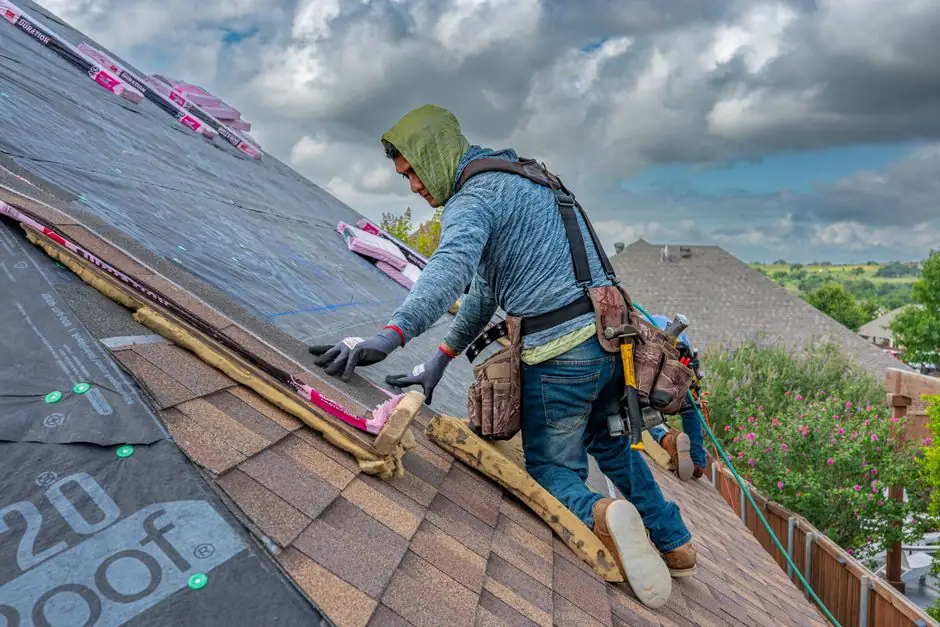
A roof inspection checklist for Maryland homeowners is a written, repeatable set of checks you run twice a year and after every major storm - covering shingles, flashing, gutters, attic ventilation, and interior ceilings. Maryland's mix of humid summers, freeze-thaw winters, and hurricane-season wind events means roofs here age faster than the national average, so the checklist matters more than it does in Phoenix or Denver. Below is the exact list our crews use, adapted for homeowners, plus what a professional inspection adds and what it costs in 2026.
What a Maryland roof inspection checklist should actually cover
A Maryland roof inspection checklist is a documented set of visual checks that separates surface wear from active water intrusion. If your list only covers "look at the shingles," you're missing the three places leaks actually start here: pipe boots, chimney flashing, and the valley where two roof planes meet.
Every checklist we hand a homeowner has four zones. The roof surface itself. The penetrations and flashing. The drainage system - gutters, downspouts, drip edge. And the interior, meaning the attic and the ceiling drywall below. Skip any one zone and you'll miss the failure mode that costs the most to fix.
Maryland sits in a climate zone where asphalt shingles typically last 18 to 22 years, not the 25 to 30 you see quoted on manufacturer packaging. The gap comes from thermal cycling - a roof that hits 140°F on a July afternoon and drops to 15°F in January expands and contracts hundreds of times per decade. That's why our Asphalt Shingle Roofing in Maryland installs use a heavier underlayment than the minimum code requires.
How often should Maryland homeowners inspect their roof?
Maryland homeowners should inspect their roof twice a year - once in late March after the last freeze and once in late October before winter - plus after any storm that produced hail or sustained winds above 50 mph. That's the baseline. Add a third check if you have mature trees within 15 feet of the roofline.
The spring inspection catches freeze-thaw damage from the winter. Water gets into a hairline crack, freezes overnight, expands, and by March you have a lifted shingle or a cracked pipe boot. The fall inspection catches everything summer storms loosened - and gives you time to schedule repairs before the first hard freeze, when crews get booked out two to three weeks.
If your home is more than 15 years old, or you've owned it less than two years and don't have the roof's installation history, add a professional inspection to the calendar. We see this constantly in Roofing in Annapolis, where a lot of the housing stock along the Severn dates to the 1980s and 1990s and is hitting its second or third shingle layer.
The exterior checklist: what to look for from the ground and the ladder
Start on the ground with binoculars. Most of what matters is visible from the driveway, and you don't need to be on the roof to find it. Walk the perimeter slowly, then move to the ladder only if you're comfortable and the surface is dry.
From the ground
- Shingle alignment: Look for horizontal lines that wave or dip. A sagging line usually means a broken or rotted deck board underneath, not just a loose shingle.
- Missing or lifted shingles: Count them. More than five or six in one area points to a systemic issue, not isolated wind damage.
- Granule loss: Check the gutter troughs and the ground at the base of downspouts. A heavy accumulation of gray grit means the shingles are near end of life.
- Flashing condition: Around the chimney, the vent stack, and any skylight. Rust streaks or separated metal are the number-one leak source we find.
- Gutter sag and staining: Gutters pulling away from the fascia, or dark vertical streaks on the fascia board, mean water is running behind the gutter instead of into it.
- Drip edge: The metal lip at the roof's edge. If it's missing or bent, water wicks back under the first course of shingles.
From the ladder or roof surface (only if safe)
- Pipe boots: The rubber collar around plumbing vents cracks in 8 to 12 years. Press it with your thumb - if it feels brittle, it's done.
- Valley condition: The V where two roof planes meet. Look for exposed metal or missing shingle edges.
- Nail pops: Nail heads backing out of the deck. Each one is a potential pinhole leak.
- Soft spots: Walk carefully. A spongy area underfoot means the decking has absorbed water.
If any of that sounds like more than you want to do on a two-story colonial, that's a normal reaction. Our Roof Inspection in Maryland service exists for exactly that reason - a trained eye on the roof, a written report with photos, and no pressure to buy anything.
The interior checklist: attic, ceilings, and the signs you can't see from outside
The interior check is where you catch leaks before they cost you drywall, insulation, and mold remediation. Set aside 20 minutes with a flashlight. Do it during or right after a heavy rain if you can - active drips are easier to trace than old stains.
In the attic
- Decking stains: Dark streaks or water rings on the underside of the roof boards. Trace them upward to find the entry point.
- Rafter condition: Look for dark, soft, or crumbling wood at the rafter tails near the eaves.
- Insulation: Compressed, matted, or displaced insulation - especially near the eaves - signals a ventilation problem.
- Ventilation: You should see daylight at the ridge vent and soffit vents should be clear. Blocked soffits trap moisture and cook shingles from underneath.
- Daylight through the roof: Any visible light means a hole. Even a pinhole passes a surprising amount of water over a season.
On the ceilings below
- Brown or yellow rings: Old water stains. A ring that's dry and crusty is historic; one that's soft or spreading is active.
- Bubbling paint: Paint that's lifting off the drywall means moisture is pushing from behind.
- Musty smell: A persistent attic or upstairs odor usually means trapped moisture, not just old insulation.
Seasonal roof maintenance checklist for Maryland weather
Maryland roofs face four distinct stress seasons, and the checklist shifts with each. Right now, in October, you're in the most important window of the year - the pre-winter pass.
Fall (October-November) - the one that matters most
- Clear gutters and downspouts of leaves. A clogged gutter in a January thaw sends meltwater straight under the shingles.
- Trim any tree limbs within 6 feet of the roof. Ice-loaded branches are the leading cause of winter roof punctures here.
- Check attic insulation depth - R-49 is the current Maryland recommendation, and most 1990s homes are sitting at R-19.
- Schedule repairs now. Roofing crews fill their calendars by mid-November.
Winter (December-February)
- After any snowfall over 6 inches, check for ice dams at the eaves. A dam is a ridge of ice that blocks meltwater from draining.
- Never chip ice off shingles with a tool - you'll tear the mat. Use a roof rake on the snow above the dam, not on the ice itself.
- Watch interior ceilings for new stains. Freeze-thaw is when old flashing failures finally leak.
Spring (March-April)
- Walk the yard and gutters for shingle granules - a heavy spring drop means the roof is aging out.
- Inspect for lifted or cracked shingles from winter freeze-thaw.
- Check the chimney cap and any skylight seals.
Summer (June-September)
- After any named storm or 50+ mph wind event, do a full exterior pass.
- Look for hail dents on gutters, downspouts, and any metal vents - those dents are your best evidence for an insurance claim.
- Check attic ventilation. A 95°F day with poor airflow can push attic temps above 150°F.
What does a professional roof inspection include in Maryland?
A professional roof inspection in Maryland includes a full exterior and interior evaluation, a photo-documented report, and a written assessment of remaining roof life - not just a verbal "looks fine." A proper inspection takes 60 to 90 minutes on a typical single-family home.
Here's what our inspectors actually do on every visit:
- Exterior surface walk: Every accessible roof plane, checked for shingle condition, granule loss, and exposed fasteners.
- Flashing and penetration audit: Chimney, vents, skylights, valleys, and sidewalls.
- Drainage assessment: Gutters, downspouts, drip edge, and fascia.
- Attic inspection: Decking, rafters, insulation, and ventilation from the inside.
- Photo report: 20 to 40 images with notes, delivered same day.
- Remaining-life estimate: A number of years, not a vague "monitor it."
Cost in Maryland in 2026 runs $150 to $400 for a standard residential inspection, and many local companies - including ours - credit the fee toward any repair or replacement you book. If a company quotes you $600 for a basic inspection, ask what the extra covers. If they quote $0, ask what they're selling.
If the inspection turns up active leaking, the next step is usually Roof Leak Repair in Maryland - a targeted fix that runs far less than a full replacement. If the roof is past 20 years and showing widespread granule loss, we'll walk you through Roof Replacement in Maryland options and timelines instead.
Common mistakes homeowners make during a DIY roof inspection
The most common mistake is inspecting only the front of the house - the side you see from the street. The back slope and the north-facing plane age fastest and get checked least.
Other mistakes we see regularly:
- Walking a wet or icy roof. No inspection is worth a fall. Wait for a dry day, or stay on the ladder.
- Confusing a historic stain with an active leak. Touch the stain. Soft, cool, or spreading means active. Dry and crusty means old.
- Ignoring the attic. Roughly a third of the leaks we find show up inside before they're visible outside.
- Sealing over a problem with roof cement. Tar patches hide water and trap it against the deck. They buy months, not years.
- Skipping the post-storm check. Insurance claims in Maryland generally need to be filed within one year of the loss date, and adjusters want evidence of when the damage occurred.
- Not writing anything down. A checklist you don't record is a checklist you'll repeat from memory next year. Keep photos and dates.
When to call a professional
Call a professional if you find any of these: active dripping in the attic, more than a dozen missing shingles, sagging roof lines, daylight visible through the roof deck, or rust on any flashing component. Those aren't maintenance items - they're repairs, and they get worse fast in Maryland's climate.
Also call us if your roof is 15 years or older and you've never had it professionally inspected. We'll tell you honestly what's left on it. Sometimes that's eight years and a $300 flashing repair. Sometimes it's a replacement you can plan for instead of an emergency you can't. Either way, you'll know. RoofPros Maryland handles inspections, repairs, and full replacements across the state, and we'll give you a straight answer on which one you actually need.
Frequently Asked Questions
What should be on a roof inspection checklist in Maryland?
Shingle condition, flashing around chimneys and vents, pipe boots, valleys, gutters and downspouts, drip edge, attic decking, insulation, ventilation, and interior ceiling stains. Maryland's freeze-thaw cycles make flashing and pipe boots the highest-priority items - they fail first here.
How often should Maryland homeowners inspect their roof?
Twice a year - late March and late October - plus after any storm with hail or 50+ mph winds. Homes over 15 years old should add a professional inspection annually. That schedule catches freeze-thaw damage in spring and storm damage before winter.
What does a professional roof inspection include in Maryland?
A 60-to-90-minute exterior and interior evaluation, a photo report of 20 to 40 images, and a written remaining-life estimate. It covers every accessible roof plane, all flashing and penetrations, drainage, and the attic. You get a documented condition report, not a verbal opinion.
How much does a roof inspection cost in Maryland?
Typical 2026 pricing in Maryland is $150 to $400 for a standard single-family home. Many local roofers, including RoofPros Maryland, credit the inspection fee toward any repair or replacement you book within a set window.
Can I inspect my own roof in Maryland?
Yes, for the ground-level and attic portions. Stay off the roof if it's wet, icy, steep, or more than one story. Use binoculars from the yard for the surface check, and leave ladder work to someone with fall protection and insurance.
Get help with Roofing in Maryland
If your checklist turned up something you'd rather not climb up and investigate yourself, we'll take it from here. Our team handles Roofing in Maryland from inspection through repair and replacement, with same-day photo reports and upfront pricing before any work starts.
Call RoofPros Maryland at (833) 409-1163 to schedule your inspection.